← Main Hub
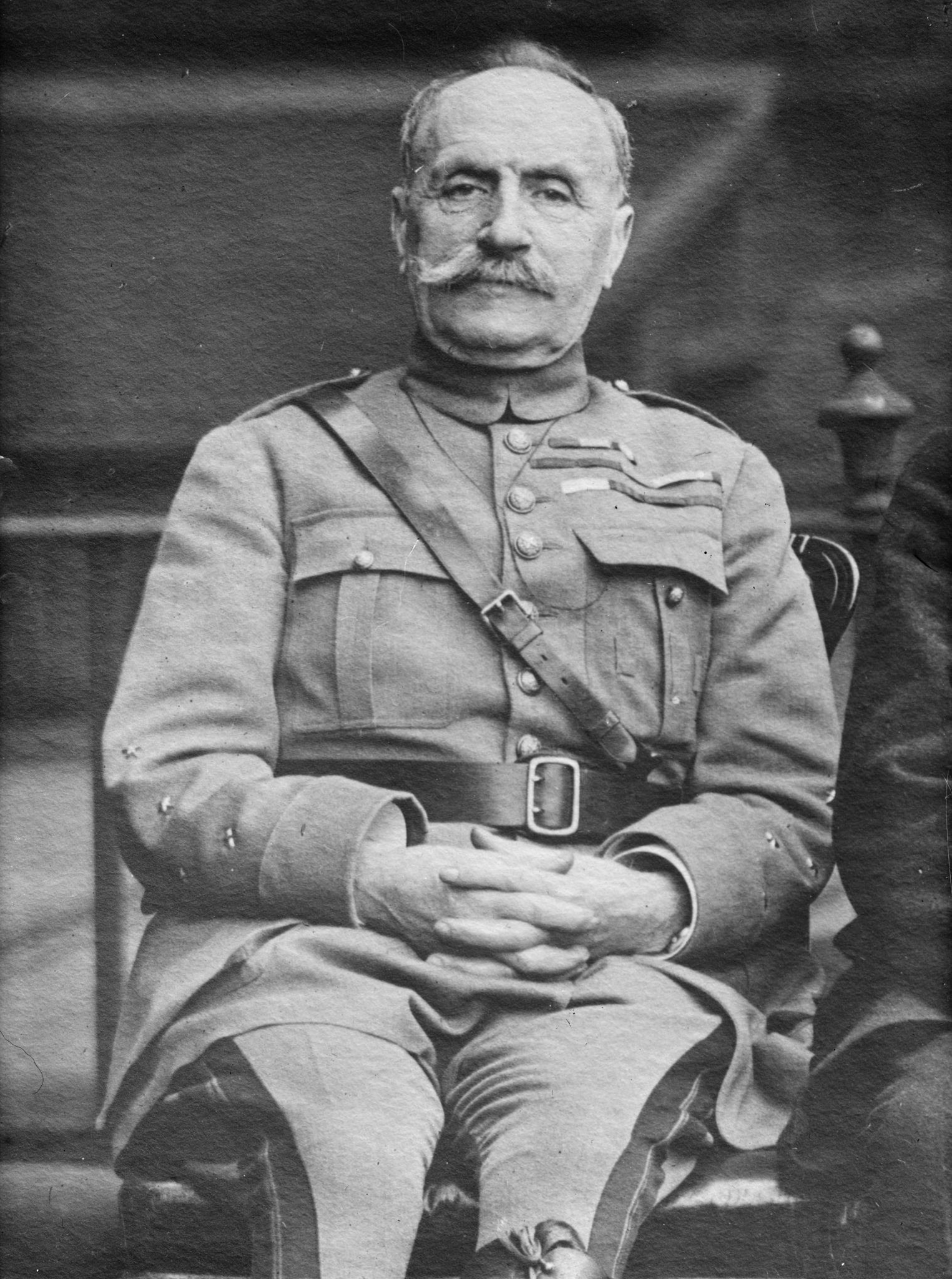
Marshal Ferdinand Foch
France • Allied Powers

Marshal Ferdinand Foch

1851 – 1929

Appointed Supreme Allied Commander in the spring of 1918, Foch successfully coordinated the fractured British, French, and American efforts to halt the German Spring Offensive. His aggressive counter-offensive strategies ultimately broke the German lines, forcing the Armistice.

Notable Command

Led the Allied forces during the decisive Second Battle of the Marne and orchestrated the final Hundred Days Offensive.
General John J. Pershing
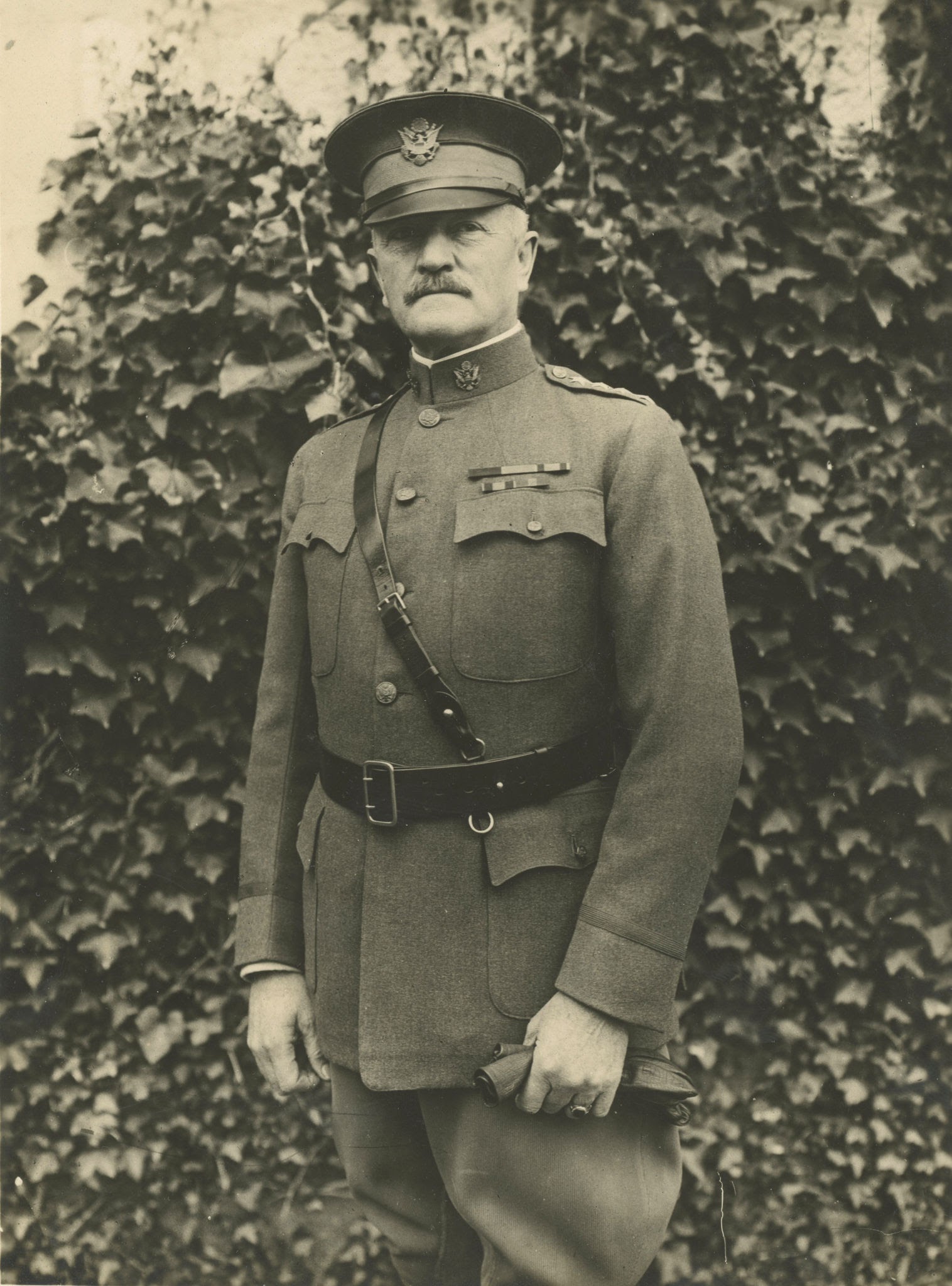
United States • Allied Powers

General John J. Pershing

1860 – 1948

Commander of the American Expeditionary Forces (AEF) on the Western Front. Pershing fiercely resisted Allied attempts to split American troops into French and British units, insisting that the AEF operate as an independent, unified army.

Notable Command

Directed the massive Meuse-Argonne Offensive, one of the largest operations in United States military history.

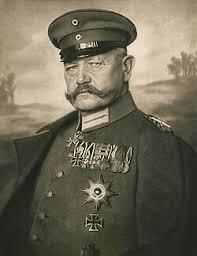
Field Marshal Paul von Hindenburg
Germany • Central Powers

Field Marshal Paul von Hindenburg

1847 – 1934

Recalled from retirement in 1914, Hindenburg achieved legendary status in Germany following the decisive victory at the Battle of Tannenberg. By 1916, alongside his Chief of Staff Erich Ludendorff, he formed a de facto military dictatorship governing the German war effort.

Notable Command

Overcame severe numerical disadvantages to smash the invading Russian Imperial armies on the Eastern Front.

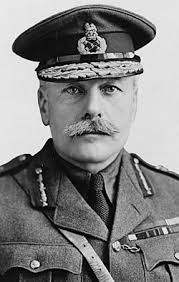
Field Marshal Douglas Haig
Great Britain • Allied Powers

Field Marshal Douglas Haig

1861 – 1928

Commander of the British Expeditionary Force from late 1915 until the end of the war. Haig's reliance on traditional war-of-attrition tactics led to catastrophic casualties, making him one of the most controversial figures of the conflict.

Notable Command

Ordered the grueling Somme and Passchendaele campaigns, but later successfully adapted to new combined-arms tactics in 1918.