The Pre-War Balance (Antebellum)
The Old World Order
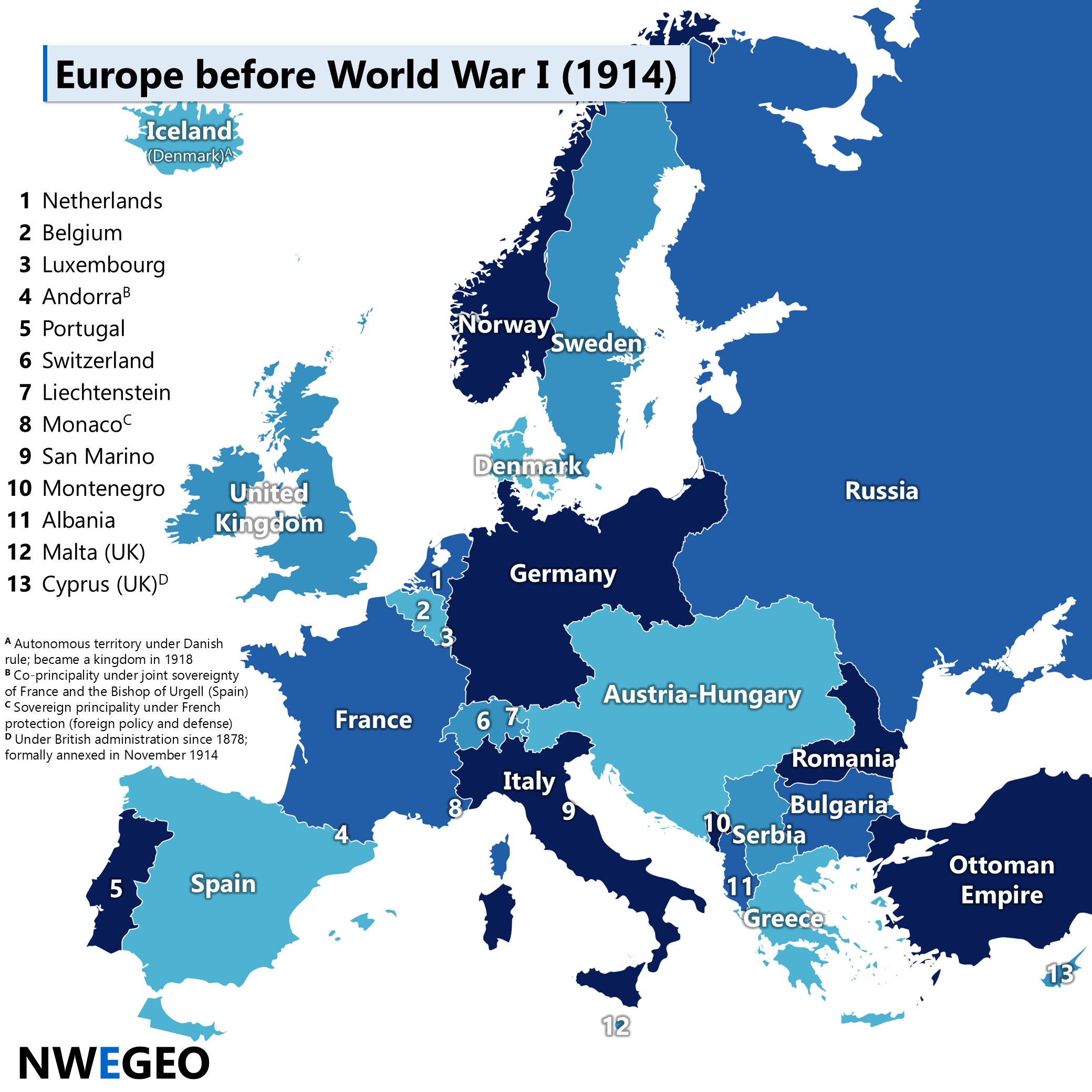
Prior to 1914, the European continent was dominated by a fragile, highly competitive equilibrium managed by five extensive hereditary empires. Stability relied entirely on interlocking defensive pacts designed to deter aggressive expansion.
-
The Alliance Systems
Europe split cleanly into two ideological camps: the Triple Entente (France, Russia, Great Britain) and the Triple Alliance (Germany, Austria-Hungary, Italy). This rigid design meant a localized conflict would inevitably trigger a global chain reaction.
-
Imperial Friction & The Balkans
Known systematically as the "powder keg of Europe," the decline of Ottoman control left a dangerous power vacuum in the Balkan peninsula, sparking intense territorial friction between the Russian Empire and Austria-Hungary.
The Post-War Fracture (Post Bellum)
The Redrawn Map of Europe
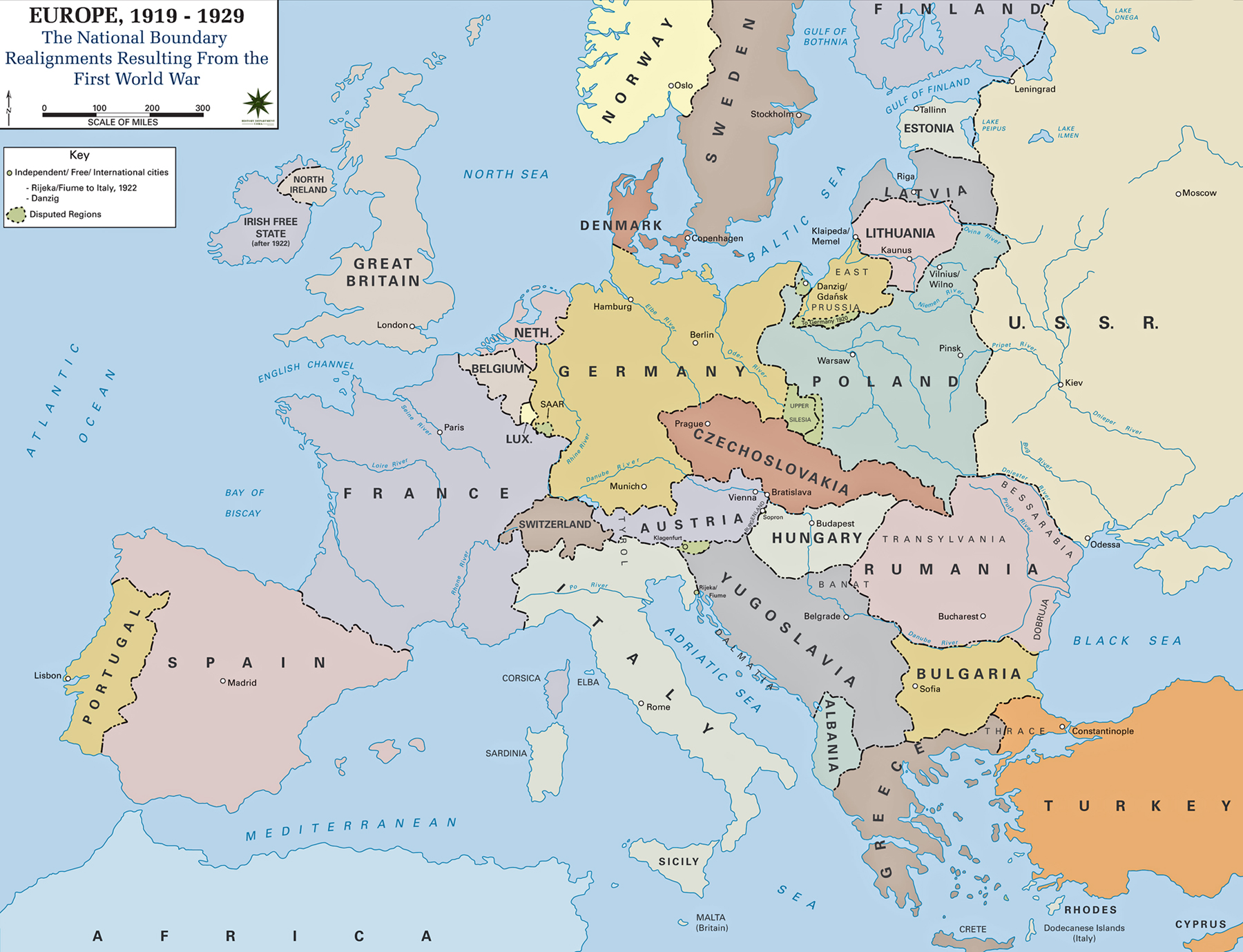
The Paris Peace Conference of 1919 and the resulting Treaty of Versailles dismantled centuries of imperial continuity, completely liquidating four great dynasties: the German, Russian, Austro-Hungarian, and Ottoman Empires.
-
The Rise of Sovereign Borderlines
Out of the collapse of old empires came a wave of new, independent states across Eastern Europe, including Poland, Czechoslovakia, Yugoslavia, Finland, and the Baltic States.
-
The Mandate System & Future Instability
In the Middle East, former Ottoman territories were partitioned into British and French "Mandates" under the League of Nations, drawing arbitrary borders that fundamentally disrupted regional demographics for the century to follow.