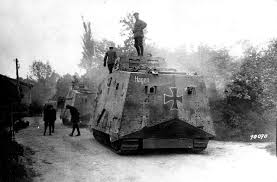
The Evolution of Mobile Armor
Developed secretly by Great Britain to break the bloody stalemate of the Western Front, early tanks were designed to cross treacherous terrain, crush barbed wire systems, and shield infantry units from devastating machine-gun positions during pushes across No Man's Land.
Strategic Operational Shift
Though plagued by frequent mechanical failures during their 1916 Somme debut, combined-arms tank operations in 1918 laid the groundwork for modern mobile warfare doctrine.
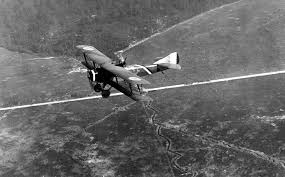
Reconnaissance & Air Support
Aviation quickly transitioned from simple observational scouting platforms into an essential weapon system. Engineers developed synchronization gears that allowed machine guns to fire through spinning propellers, creating tactical pursuit planes.
Strategic Operational Shift
Eliminated the element of tactical surprise, mapping enemy trench systems and troop movements with detailed aerial photography grids.
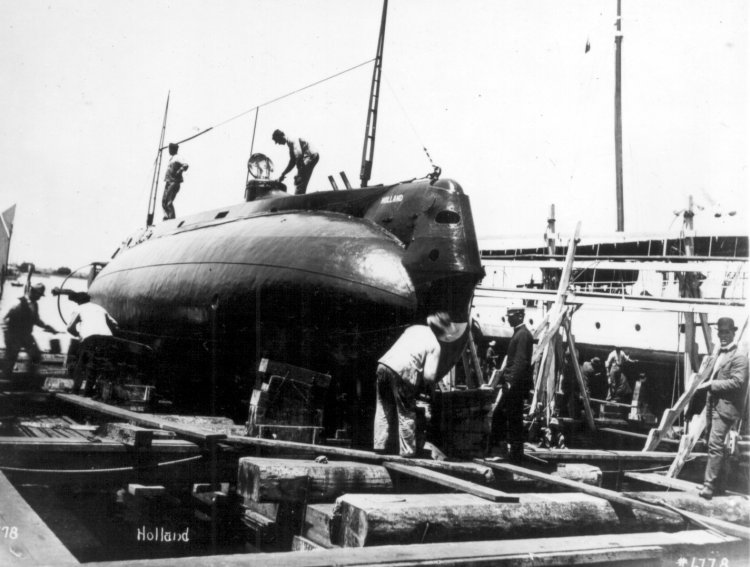
Submarine Logistics
The widespread deployment of submersible vessels completely transformed naval blockades. Operating hidden underneath the water, German U-boats targeted Atlantic supply lines, threatening merchant shipping vessels and civilian transports delivering critical resources to Allied ports.
Strategic Operational Shift
Forced the implementation of complex defensive convoy structures, hydrophone listening tools, and depth charge explosives.

The Telegraph & Field Signals
Coordinating millions of soldiers across massive, fractured front lines required deep infrastructure changes. Armies ran thousands of miles of telegraph and telephone wire directly into the forward trenches, supplemented by carrier pigeons and runner networks when artillery strikes broke physical communication lines.
Strategic Operational Shift
Allowed central command hubs to receive real-time updates from forward sectors, though lines remained highly vulnerable to counter-artillery severing.
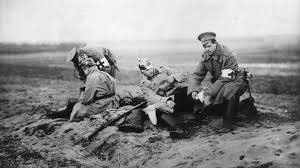
Field Surgery & Mobile Care
The horrifying scale of industrial trauma forced rapid progress in emergency medicine. Marie Curie spearheaded fleets of mobile X-ray vehicles, while the implementation of the Thomas Splint reduced battlefield fracture mortality rates from 80% to under 20%.
Strategic Operational Shift
Introduced systematic medical triage protocols, antiseptics, and functional blood preservation techniques directly behind active combat operations.
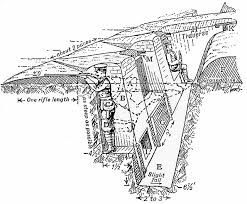
The Science of Trench Systems
Trenches evolved from simple dirt ditches into complex, layered defensive networks. Deeply integrated systems included subterranean concrete pillboxes, staggered communication corridors, drainage channels, and overlapping geometric barbed-wire fields designed to funnel attackers into machine-gun kill zones.
Strategic Operational Shift
Gave tactical defenders an immense advantage over advancing infantry, defining the grueling, static nature of the Western Front.